2026 How to Build Steel Structure Buildings Efficiently?
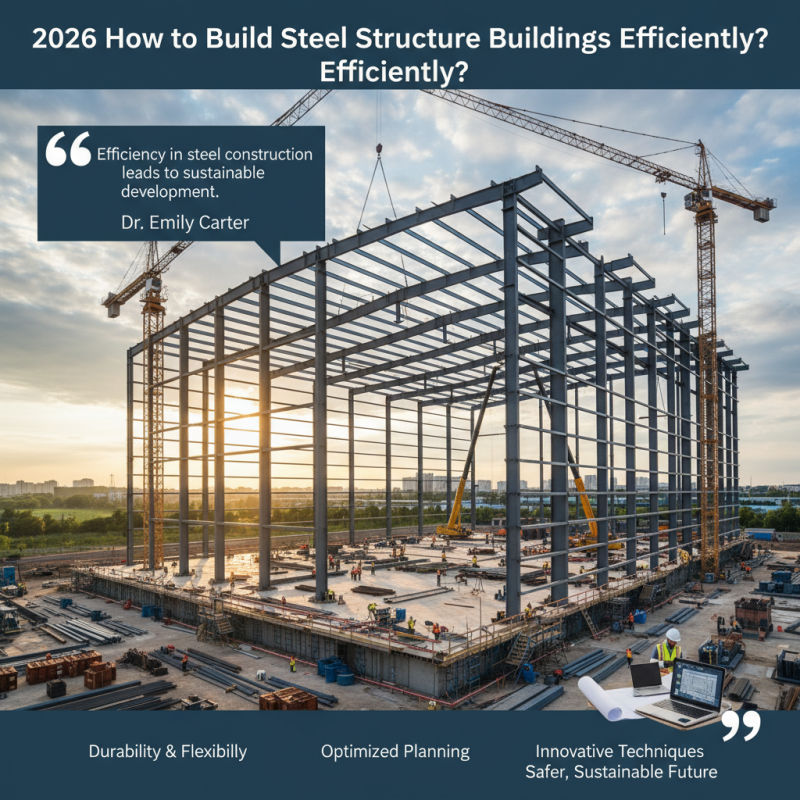
In the rapidly evolving field of construction, the efficiency of Steel Structure Buildings has become a crucial topic. Renowned expert Dr. Emily Carter, a leading figure in structural engineering, states, "Efficiency in steel construction leads to sustainable development." This highlights the importance of optimizing methods for building with steel.
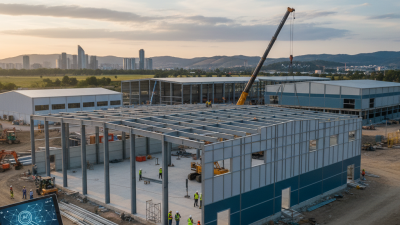
Steel Structure Buildings offer numerous advantages, including durability and flexibility. However, many projects fail to capitalize on these benefits due to poor planning. Each phase demands careful analysis. Attention to detail can significantly reduce costs and construction timelines.
Challenges are present, too. Not every team possesses the necessary expertise to execute these projects perfectly. Continuous improvement is essential for success. By adopting innovative techniques, we can enhance efficiency. The focus should always remain on building safer, more sustainable environments. Such dedication will drive the industry forward, making Steel Structure Buildings a choice for the future.
Key Principles for Efficient Steel Structure Design in 2026
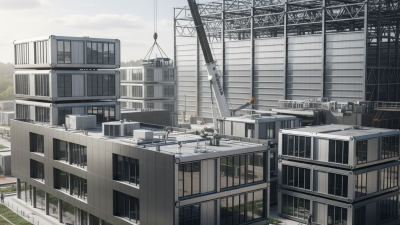
Efficient steel structure design requires a deep understanding of materials and structural integrity. In 2026, principles like modular design will gain prominence. This approach allows prefabrication of sections, reducing onsite construction time. Engineers can utilize standardized components, which enhances quality control.
Integrating advanced software for simulations will also be crucial. These tools can predict how structures respond under various conditions. However, reliance on software alone may raise concerns about potential design flaws. Human expertise remains vital in interpreting data and making real-time decisions. Collaboration among architects, engineers, and contractors is essential for refining designs and addressing challenges.
Sustainability will increasingly influence steel structures. Using recycled materials is one beneficial practice. Yet, tracking the lifecycle of materials can be complex. Designers must remain vigilant about balancing cost and eco-friendly options. As technology evolves, finding the right balance between efficiency and sustainability remains a challenge.
2026 Steel Structure Building Efficiency Analysis
Innovative Materials and Technologies in Steel Construction
Innovative materials are redefining steel construction.
Advanced steel alloys offer increased strength while reducing weight. These new materials can withstand harsh environmental conditions. This leads to longer-lasting structures and fewer repairs.
Higher durability is vital for sustainability in construction.
Technological advancements are equally important.
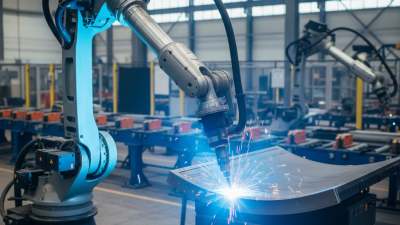
Robotics in steel fabrication streamline processes, making them faster and more precise.
3D printing also plays a role. It allows for complex designs that were once impossible.
However, there are challenges. The integration of technology requires training and adaptation. Not all projects may benefit from these innovations equally.
Collaboration between engineers and architects is crucial. Early involvement leads to better design choices.
Yet, miscommunication can arise. Teams must work closely to avoid costly mistakes.
Balancing innovative methods with practical applications is key.
It’s an ongoing process that demands reflection and adjustment.
Optimizing Construction Processes for Steel Buildings
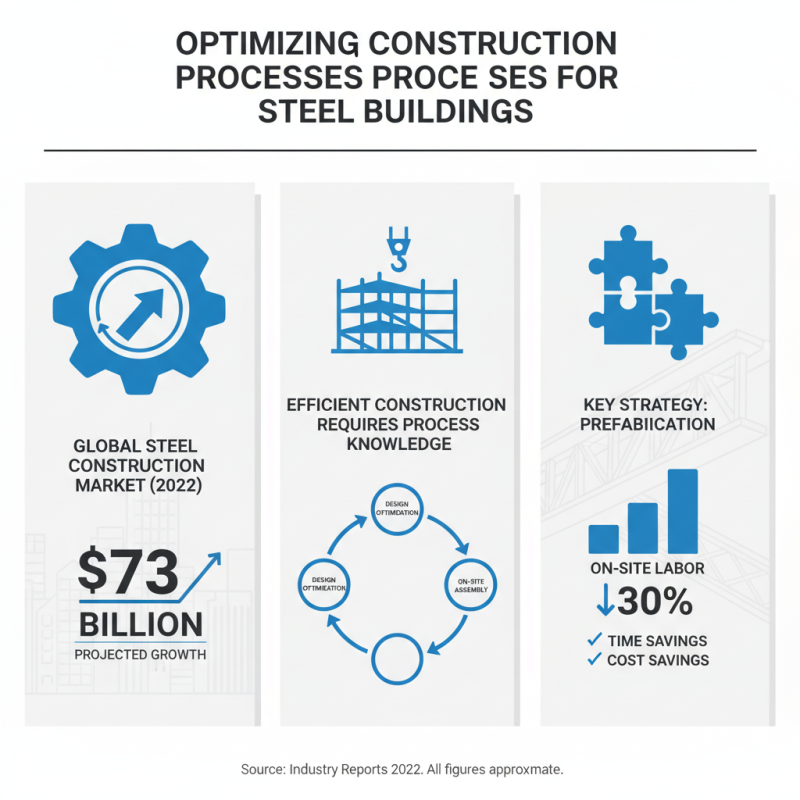
Efficient construction of steel buildings requires a deep understanding of construction processes. In 2022, the global steel construction market was valued at approximately $73 billion. This figure is projected to grow significantly, pushing professionals to optimize their methods. One key area is prefabrication. Studies show that prefabricated steel components can reduce onsite labor by up to 30%. This approach streamlines the assembly process, providing both time and cost savings.
Moreover, advanced technologies like Building Information Modeling (BIM) enhance project management. BIM allows for better visualization and coordination among teams. Research highlights that projects using BIM saw up to a 20% decrease in project timelines. Yet, reliance on technology can lead to oversights if teams are not adequately trained. Ensuring that all personnel understand the tools is crucial for maximizing efficiency.
Despite these advancements, challenges remain. Variability in local regulations can complicate project flows. Unforeseen delays often stem from permit approvals or coordinating with subcontractors. Regular reviews and adaptive strategies are essential. This reflection on current practices can lead to continuous improvement and more resilient construction processes in the steel sector.
Sustainability Factors in Modern Steel Structure Development
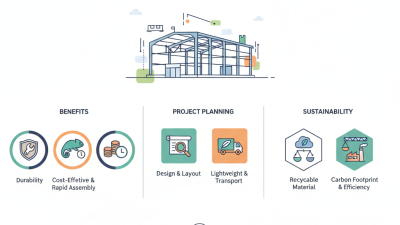
Sustainability is a key element in modern steel structure development. Using recycled materials reduces waste and energy consumption. The steel industry is increasingly focusing on producing low-carbon steel. This shift can significantly decrease the carbon footprint of buildings. Innovative production methods and practices are emerging. They focus on minimizing environmental impact while maximizing efficiency.
Design plays a critical role in sustainability. Efficient layout can reduce the amount of steel needed. Using advanced modeling helps teams create more effective structures. However, many projects still overlook energy-efficient design principles. This gap leads to higher operational costs in the long run. Integrating renewable energy sources, such as solar panels, is crucial. It complements the efficiency of steel structures.
Yet, achieving sustainability is not without challenges. Regulations and standards are evolving, making compliance complex. Some builders struggle to keep pace with these changes. Training and awareness are essential in the industry. Many professionals need to better understand sustainable practices. Comfort and safety must remain priorities even amidst the push for greener solutions. Balancing these factors is often a delicate task.
2026 How to Build Steel Structure Buildings Efficiently? - Sustainability Factors in Modern Steel Structure Development
| Factor |
Description |
Importance Level |
| Material Efficiency |
Utilizing high-strength steel reduces the amount of material needed for structures. |
High |
| Energy Consumption |
Optimizing design to minimize energy used during construction and throughout the building's life cycle. |
Critical |
| Recyclability |
Choosing materials that are easily recyclable at the end of their life span. |
Moderate |
| Construction Speed |
Implementation of prefabricated components to accelerate building timelines. |
High |
| Building Lifecycle |
Considering the entire lifecycle of buildings from design to demolition for sustainability. |
Essential |
| Water Management |
Incorporating systems for rainwater harvesting and efficient water usage. |
High |
Cost Analysis: Budgeting for Steel Structure Projects in 2026
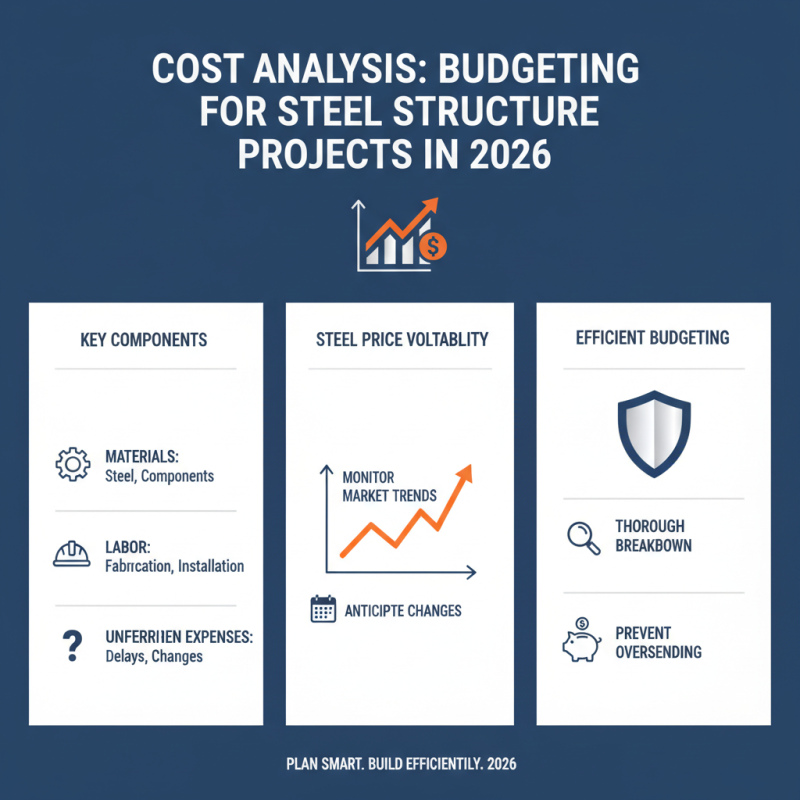
When planning steel structure projects in 2026, understanding cost analysis is key. Budgeting efficiently requires a thorough breakdown of materials, labor, and unforeseen expenses. Steel prices can fluctuate, impacting overall costs. Monitor market trends closely to anticipate changes. This can prevent overspending.
One practical tip is to create a detailed list of all expenses. Include estimates for labor and materials. Factor in a buffer for unexpected costs, typically around 10-15%. This allows for flexibility without derailing your entire budget. Regularly assess your budget against actual expenses during the project, making adjustments as necessary.
Communication with your team is crucial. Ensure all members understand the budget constraints. Set clear expectations regarding spending and progress tracking. Misalignment can lead to oversights and increased costs. Reflecting on past projects can offer valuable insights. Evaluate what worked and what didn’t to refine your budgeting process.