Why Choose Structural Metal Beams for Your Construction Projects?
In the fast-evolving world of construction, Structural Metal Beams stand as a cornerstone. Industry expert John Stevens, a seasoned structural engineer, emphasizes their significance: "Structural Metal Beams provide unmatched strength and versatility in modern architecture." These beams are not just materials; they are critical components that define the integrity of modern structures.
Their application spans various projects, from towering skyscrapers to residential homes. The durability of Structural Metal Beams makes them ideal for both load-bearing and aesthetic purposes. However, choosing the right type and size remains a challenge. Innovations in design can alter traditional uses, making some options more efficient than others.
It's essential to weigh the benefits against potential drawbacks. The initial cost of Structural Metal Beams might deter some builders. Yet, considering their longevity and strength, they often prove more economical in the long run. Evaluating specific project needs can be daunting. But careful planning and expertise can ensure they meet structural demands effectively.
Benefits of Structural Metal Beams in Construction
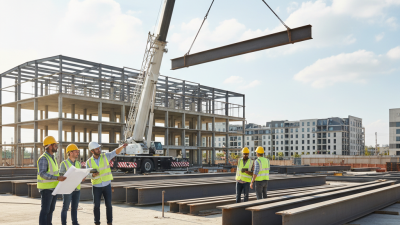
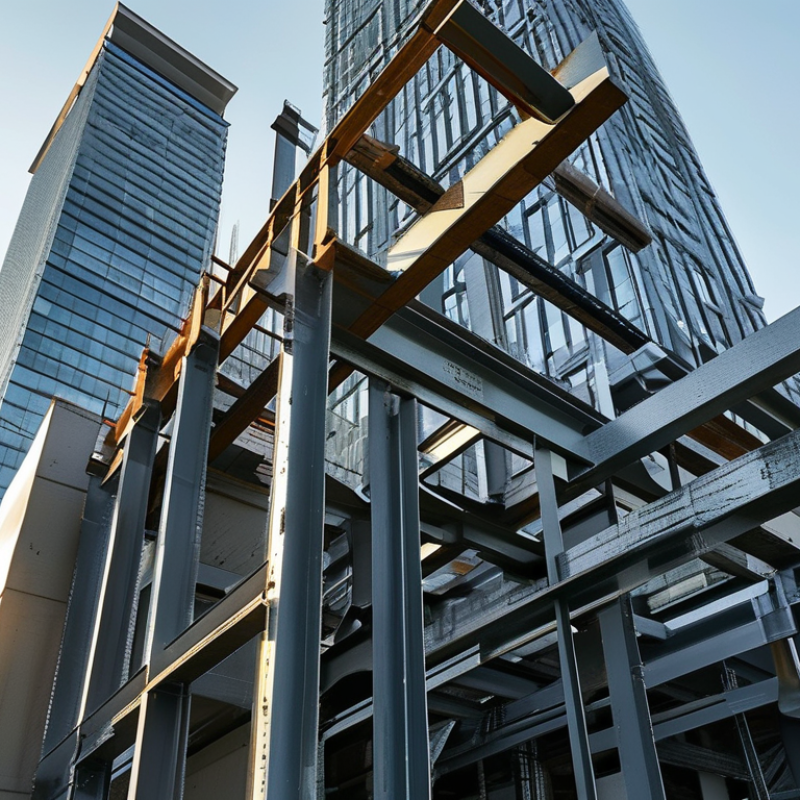
When it comes to construction projects, structural metal beams offer numerous advantages. One significant benefit is their strength-to-weight ratio. These beams provide robust support while remaining lighter than traditional materials. This property allows for easy handling and reduced labor costs on site. Additionally, they can span greater distances, minimizing the need for intermediate supports, which can save valuable space.
Moreover, metal beams are highly durable and resistant to environmental factors. Unlike wood, they do not warp or rot, ensuring long-lasting performance. A well-designed metal structure can withstand extreme weather conditions. This reliability makes them a preferred choice for various applications, from warehouses to residential buildings.
Tips: When selecting structural metal beams, consider the specific load requirements of your project. Ensure you consult professionals who can provide accurate assessments. Also, remember to evaluate the corrosion resistance based on the environment. Regular inspections can enhance the lifespan of your metal structures. Integrating these practices can help prevent costly repairs down the line.
Durability and Strength of Metal Beams Compared to Other Materials
When it comes to durability and strength, structural metal beams stand out among other construction materials. Their robustness allows them to endure extreme weather conditions and heavy loads without compromising structural integrity. Unlike wood, metal beams do not warp or crack over time, making them a reliable choice for long-term projects. This stability ensures that structures maintain their shape and function throughout their lifespan.
Another important factor is resistance to pests and decay. Wood beams are vulnerable to rot and insect infestations, leading to costly repairs. In contrast, metal beams are impervious to such threats, providing peace of mind to builders and investors alike. However, it's essential to consider the specifications of the metal used. Corrosion can be an issue if protective measures are not implemented. It’s worth reflecting on the importance of adequate maintenance and coatings when using metal in construction.
Cost may be a concern, but the lifespan and performance of metal beams often justify the initial investment. The strength-to-weight ratio allows for lighter constructions with fewer materials. Adopting metal beams can streamline the construction process and reduce labor costs, although precise calculations are necessary for optimal results. Choosing structural metal beams requires careful thought and a balanced analysis of long-term benefits versus upfront costs.
Cost Efficiency: Long-Term Savings with Metal Beams
When considering structural materials for construction, metal beams stand out for their cost efficiency. Research from the American Institute of Steel Construction indicates that using steel frames can lead to savings of up to 20% on overall project costs. Metal beams are lighter than traditional materials, which can reduce transportation expenses. Their durability also minimizes maintenance costs over time.
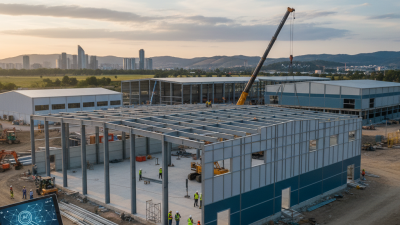
Installation is often faster with metal beams due to their prefabrication. A study by Structural Steel Educational Council reports that projects using metal frameworks can be completed 20% quicker than those using more conventional materials. This time-saving translates to labor cost reductions, which further enhances overall savings.
Tips: Consider lifecycle costs when choosing materials. Sometimes, upfront costs may seem higher but lead to savings later. Assess the long-term benefits, like longevity and low maintenance needs.
Metal beams offer unmatched versatility. They can be adapted for various designs while maintaining structural integrity. However, it's crucial to weigh their benefits against specific project requirements. Each construction scenario demands thorough analysis, which can sometimes reveal unexpected challenges.
Design Flexibility and Aesthetic Appeal of Metal Beams
In recent years, structural metal beams have gained popularity in the construction industry. Their design flexibility is a key reason for this growth. These beams can easily adapt to various architectural styles. Whether you're aiming for a modern look or a classic feel, metal beams can fit seamlessly into your vision. This adaptability is an advantage over traditional materials, which may impose design limitations.
Moreover, metal beams offer aesthetic appeal. Their sleek lines convey a sense of strength and modernity. Architects often reveal their creativity through innovative designs using these beams. However, the challenge lies in balancing beauty with functionality. The open spaces created by metal beams can feel cold. Thoughtful design must be applied to ensure warmth and comfort in the space. Combining other materials like wood or glass can enhance the overall aesthetic.
Despite their benefits, there are aspects to consider. Cost can be higher than wood or concrete. Maintenance is also a concern, as rust can affect longevity. It's crucial to weigh these factors against the visual and structural benefits. Finding the right balance can lead to impressive results. Metal beams can elevate a project when used thoughtfully.
Why Choose Structural Metal Beams for Your Construction Projects?
Sustainability and Environmental Impact of Using Metal Beams
The use of structural metal beams in construction enhances sustainability while considering environmental impact. According to the World Steel Association, recycled steel can save up to 75% of the energy required to produce new steel. This significantly reduces greenhouse gas emissions. Metal beams are often a preferred choice because they can be made from up to 90% recycled materials, making them a more eco-friendly option.
In addition, structural metal beams have a long lifespan. They can endure harsh weather conditions and resist pests. This durability means fewer replacements over time, which lowers waste. A study by the Construction Industry Sustainability Task Force indicates that using metal in construction can lead to a reduction in overall material usage by up to 30%. However, the energy consumption during manufacturing still raises questions about sustainability.
Another point for reflection is the carbon footprint associated with mining and processing raw materials. While metal beams are impressive in terms of recyclability, the extraction process is not without environmental concerns. Hence, a balanced discussion is necessary. Weighing the benefits of longevity and recyclability against the environmental costs of production remains critical in making informed decisions.
Why Choose Structural Metal Beams for Your Construction Projects? - Sustainability and Environmental Impact of Using Metal Beams
| Dimension |
Metal Type |
Recycling Rate |
Carbon Footprint (kg CO2e/m3) |
Durability (Years) |
| 240 x 120 x 9 |
Steel |
90% |
120 |
50 |
| 300 x 150 x 10 |
Aluminum |
95% |
70 |
100 |
| 200 x 100 x 8 |
Metal Composite |
85% |
100 |
30 |
| 400 x 200 x 12 |
Recycled Steel |
97% |
80 |
60 |