10 Essential Tips for Choosing Prefabricated Steel Buildings?
Choosing the right prefabricated steel buildings can be challenging. With numerous options available, making an informed decision is essential. As industry expert Dr. Emily Johnson says, “Selecting the best prefabricated steel building requires careful consideration of numerous factors.” Her insights highlight the importance of a thoughtful approach.
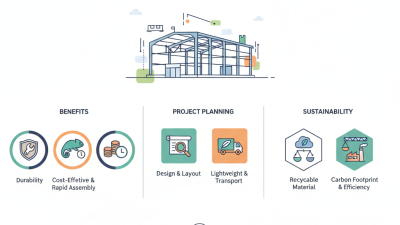
Prefabricated steel buildings offer several advantages, such as quick assembly and durability. However, potential buyers must evaluate various aspects before making a decision. Factors like design flexibility, cost, and manufacturer reputation play significant roles. A well-informed choice can lead to a successful investment.
It's vital to acknowledge that not every prefabricated steel building fits all needs. Some may require specific features that standard models don’t provide. Furthermore, quality can vary among manufacturers, which makes thorough research necessary. Reflecting on these elements can aid in selecting the right structure for your project.
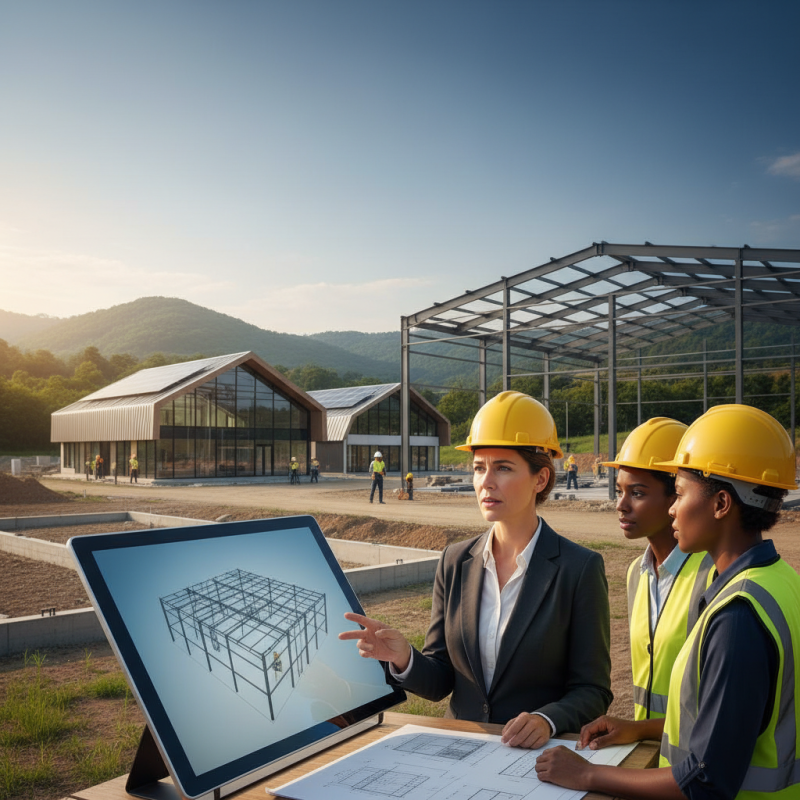
Understanding Prefabricated Steel Buildings: An Overview
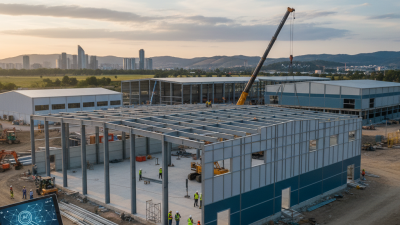
Prefabricated steel buildings have gained popularity in various industries. Their efficiency and cost-effectiveness are remarkable. According to a report by the Steel Construction Institute, steel structures can reduce construction time by up to 50%. This factor is crucial for businesses looking to minimize downtime.
These buildings offer excellent strength-to-weight ratios. The National Institute of Standards and Technology highlights that steel buildings are more resilient against extreme weather conditions, such as storms and earthquakes. This resilience can mean fewer repairs and lower insurance costs over time.
However, not all prefabricated steel buildings are created equal. Some manufacturers may compromise on quality to reduce costs. Buyers must pay attention to design and engineering standards. Research indicates that poor planning can lead to long-term structural issues. Thus, engaging with qualified professionals is essential to ensure both safety and satisfaction.
Steel Building Construction Preferences
This chart illustrates the preference levels of various features of prefabricated steel buildings. The data shows the importance of cost efficiency and durability as primary considerations in the decision-making process.
Factors to Consider When Selecting a Manufacturer
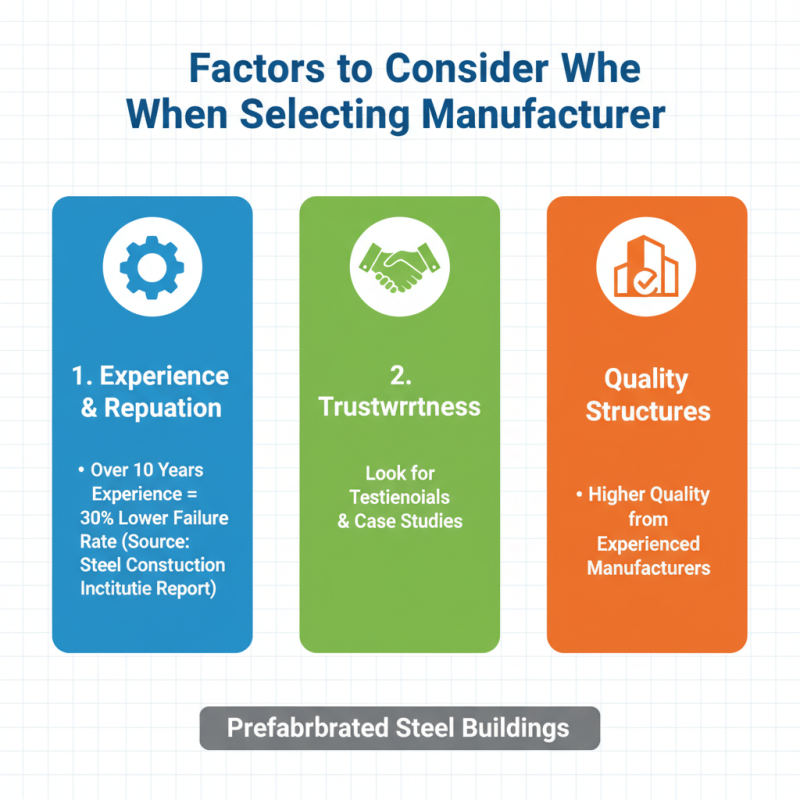
When selecting a manufacturer for prefabricated steel buildings, several factors warrant careful consideration. A key element is the manufacturer's experience and reputation within the industry. According to a recent report by the Steel Construction Institute, companies with over ten years of experience often yield higher quality structures, with a reported 30% lower failure rate in projects. Trustworthy manufacturers typically offer testimonials and case studies to validate their claims.
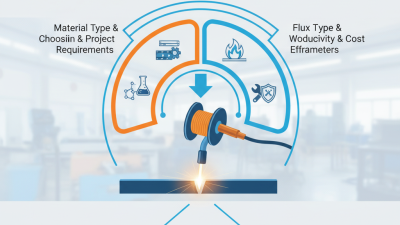
It’s also crucial to assess the manufacturing processes. Look for companies utilizing advanced technology. Innovations like automated welding and precision cutting enhance accuracy and durability. A study from the American Institute of Steel Construction highlights that buildings made with such technologies show a 20% increase in lifespan. It’s worth remembering that some manufacturers might promise efficiency but may lack proper certifications. Verify their compliance with industry standards to avoid pitfalls.
Lastly, customer support and after-sales service can be telling signs of a reliable manufacturer. A recent survey indicated that 65% of clients prefer manufacturers who provide ongoing support post-installation. Good communication is essential when issues arise, yet not all manufacturers excel in this area. Some might fall short, leading to frustrating experiences. Keeping these factors in mind can ensure a better decision when choosing your prefabricated steel building supplier.
Assessing Structural Integrity and Design Flexibility
When choosing prefabricated steel buildings, assessing structural integrity is crucial. These structures must withstand various environmental pressures. Look for certified materials that comply with safety standards. Even minor flaws can compromise overall strength. Consult an engineer to evaluate designs before making decisions.
Design flexibility is another significant consideration. Prefabricated steel buildings can be customized to meet diverse needs. Consider your space requirements and desired aesthetics. You might need open layouts or energy-efficient features. Ensure the supplier offers options that fit your vision.
Tip: Prioritize quality over cost. Low-priced options may lack the necessary durability. It’s essential to invest in a product that adheres to rigorous construction codes. Evaluate how designs can adapt to future expansions. Balancing integrity with creativity can lead to successful long-term use of your investment.
Evaluating Cost and Budget Considerations
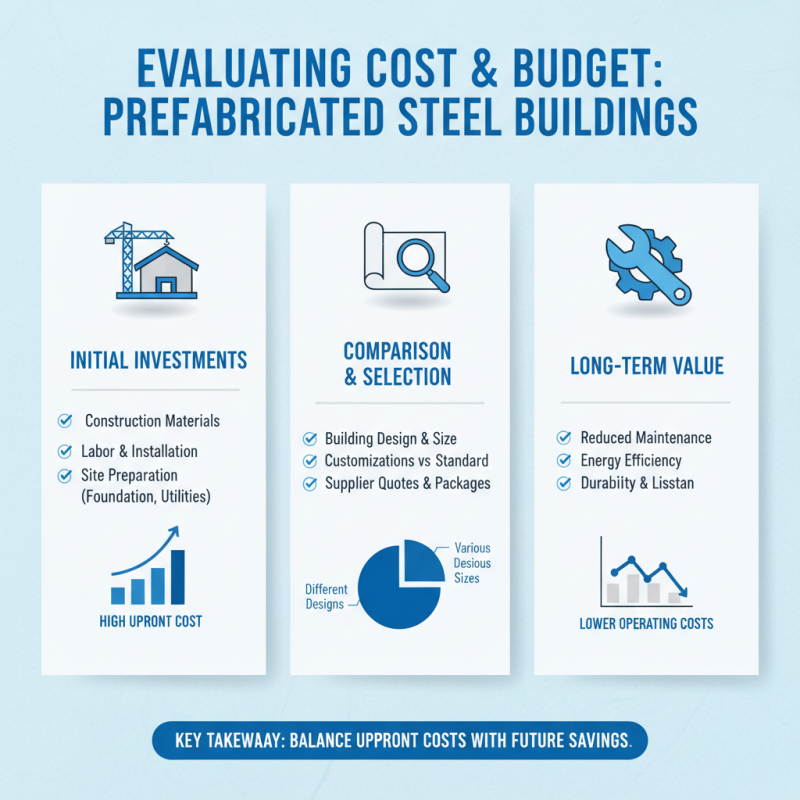
When considering prefabricated steel buildings, cost and budget play critical roles. Start by evaluating the total expenses. This includes construction, labor, and site preparation. Compare different designs and sizes to see what fits your needs. Don’t forget about ongoing costs like maintenance. Steel buildings can reduce long-term upkeep, but initial investments can be high.
Assess your financing options carefully. Determine if you need loans or if you can pay upfront. Research potential financing plans. Prices can vary significantly due to specifications and customization. Some features might seem appealing but can quickly inflate your budget. Measure your priorities against actual costs.
Finally, keep an eye on hidden expenses. These could involve permits, site inspections, or unforeseen material increases. Double-check contract details to avoid surprises. Building a solid budget requires diligence. Be prepared to adapt your expectations if certain elements exceed your financial capacity. Seek expert advice to navigate complex pricing effectively.
Inspection and Maintenance Tips for Longevity
When it comes to prefabricated steel buildings, regular inspection is essential. Start with visual checks. Look for rust spots or cracks, especially in high-stress areas. Pay attention to the seams and connections; these are critical points where failure can occur. Small issues can lead to larger problems if not addressed promptly. For example, a minor rust spot can compromise the integrity of the structure over time.
Maintenance is equally important for longevity. Clean the surfaces periodically to prevent corrosion. Use water and mild detergent for best results. Ensure proper drainage around the building to avoid water pooling. This helps prevent sediment build-up, which can cause decay and erosion. Regularly inspect the roof for debris or damage. Clear away anything that could hold moisture.
Proper upkeep extends the life of your steel building. Many neglect these tasks until it’s too late. Avoid this pitfall by setting a maintenance schedule. Include a checklist for seasonal inspections. This proactive approach reduces the risk of severe degradation, ensuring the building remains in optimal condition for years to come.