Choosing China’s top Pre Structured Building suppliers requires more than comparing catalog prices. It calls for practical research, technical judgment, and careful verification. Manufacturers may offer steel warehouses, modular offices, workshops, warehouses, and accommodation units. Their quality can differ significantly.
A reliable supplier should explain its design process clearly. Look for structural calculations, material certificates, welding records, and realistic production schedules. Factory visits can reveal useful details, including steel storage conditions, cutting accuracy, coating quality, and assembly procedures. Photographs help, but they are not proof. Recent project references matter more.
Experience is especially important when buildings must meet local wind, snow, fire, seismic, and energy requirements. Professional suppliers should coordinate drawings with engineers and provide understandable installation guidance. They should also communicate limitations instead of promising everything. That honesty is valuable.
Price remains important, but the lowest quotation may exclude foundations, transport, insulation upgrades, or site installation. A detailed comparison prevents unpleasant surprises. Buyers should review payment terms, warranty coverage, spare-part support, and change-order procedures before signing any agreement. Check every assumption.
This guide examines leading Chinese suppliers through practical criteria rather than unverified popularity. It considers manufacturing capacity, design expertise, project experience, quality systems, delivery performance, and customer support. However, no supplier is ideal for every project. Rankings can change as certifications, facilities, and service teams develop. Readers should independently confirm current documents and references before making a final decision. Careful selection can turn a Pre Structured Building from a quick purchase into a durable, safe, and efficient investment.
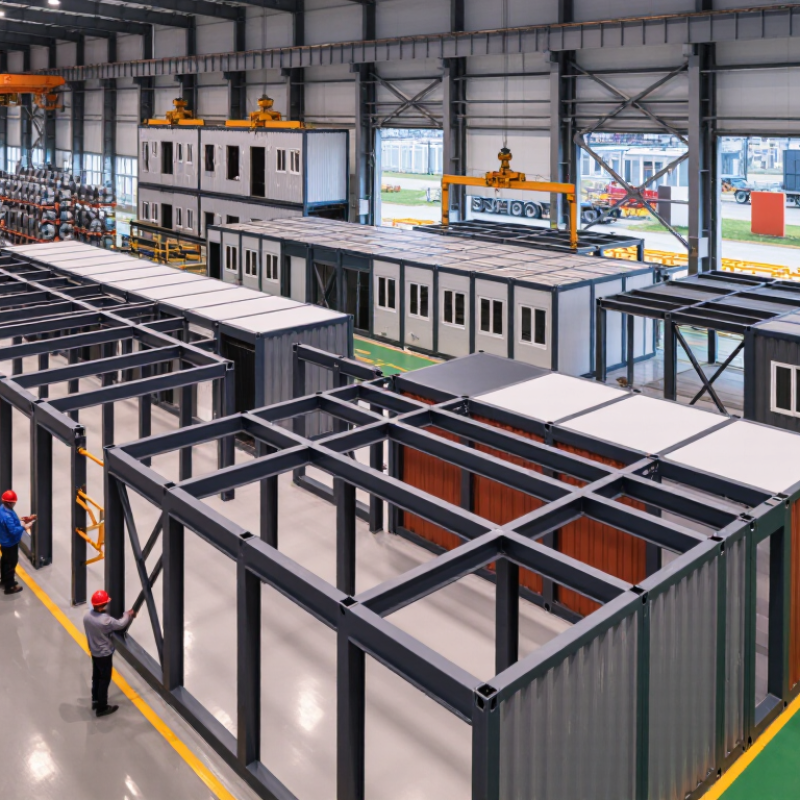
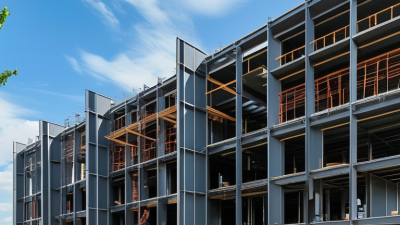
Pre-structured buildings are planned and engineered before construction begins. Their frames, wall panels, roof systems, and connection details are prepared in a controlled factory environment. Workers then assemble these components at the project site, often using cranes, bolts, and clearly marked sections. This approach can reduce site waste and shorten installation time.
These buildings support warehouses, workshops, offices, classrooms, clinics, and temporary facilities. A practical example is a logistics warehouse with a steel frame, insulated panels, loading doors, and ventilation openings. Engineers must match the structure to local wind, snow, seismic, fire, and drainage conditions. Standard modules help, but every site still needs careful adjustment.
Good suppliers in China should provide signed engineering drawings, material specifications, inspection records, and tested connection details. Buyers should also review completed projects and request evidence of quality control. Factory visits can reveal welding practices, coating thickness, storage conditions, and packaging methods. Price alone is a weak measure. A low quotation may exclude foundations, transport, insulation, or installation support. The term “pre-structured” can sound more precise than it really is. Poor measurements or rushed revisions may create expensive problems later. Experienced suppliers explain these limits clearly and coordinate with local engineers before production begins. Still, even strong planning cannot remove every site risk.
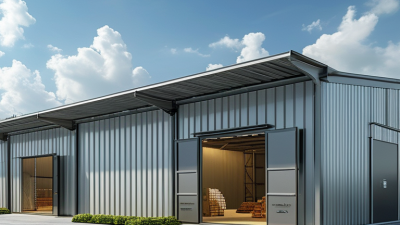
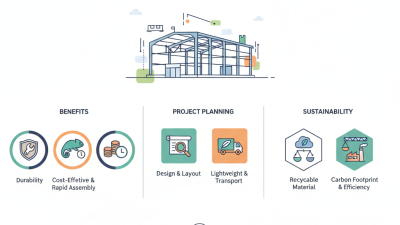
Pre-structured buildings are factory-engineered systems in which steel frames, roof and wall panels, and connection components are produced before delivery and rapidly assembled on site. The chart presents indicative construction-time benchmarks commonly used in project planning; actual schedules vary by size, design complexity, site conditions, and local approvals. Typical applications include warehouses, workshops, logistics facilities, agricultural buildings, and temporary or expandable structures.
Choosing China’s top pre-structured building suppliers requires more than comparing factory prices. A capable supplier should show audited production records, traceable steel certificates, welding qualifications, and documented quality inspections. Ask for project evidence, not polished brochures.
Technical verification should cover structural calculations, fire resistance, insulation, drainage, and connection tolerances. Request third-party test reports and drawings signed by qualified engineers. ISO 9001 supports process control, while ISO 14001 indicates a structured environmental management system.
Neither certificate proves every building will perform well. A factory audit still matters. Look at cutting areas, coating rooms, storage conditions, and how workers record defects.
Energy performance deserves equal attention.
The United Nations Environment Programme’s 2023 Global Status Report for Buildings and Construction reported that buildings and construction consumed about 34% of global energy and produced around 37% of energy and process-related emissions.
Therefore, compare thermal-bridge details, airtightness testing, recycled content, and expected maintenance cycles. Ask who handles replacement parts after installation. That answer can reveal operational maturity.
I would also score communication speed and drawing accuracy. These seem minor. They often decide whether a project stays orderly. A spreadsheet cannot capture every risk. Examine the evidence, challenge optimistic claims, and leave room for independent inspection.
China’s pre-structured building suppliers usually fall into five practical categories: steel-frame systems, precast concrete components, volumetric modules, panelized envelopes, and integrated interior units. Steel-frame suppliers suit warehouses, workshops, and multi-story commercial buildings. Precast concrete suppliers provide columns, beams, stairs, and façade panels with repeatable factory quality. Volumetric modules arrive as near-complete rooms, including wiring and plumbing. Panelized suppliers focus on insulated wall, roof, and floor assemblies. Integrated interior suppliers add bathrooms, kitchens, and utility risers.
Market data supports this shift. Grand View Research’s 2024 modular construction report estimates the global market could grow at about 7% annually through 2030. China’s Ministry of Housing and Urban-Rural Development also continues promoting prefabricated construction and industrialized building methods. Yet supplier comparisons require more than factory size. Buyers should inspect welding records, concrete strength reports, fire-test certificates, dimensional tolerances, and delivery photos from completed projects. Small details matter. A two-millimeter joint error can complicate installation across an entire floor.
Experienced procurement teams also check design coordination, transport limits, lifting plans, and after-sales response times. The strongest suppliers provide BIM files, sample connections, factory inspection access, and traceable material records. Price alone misleads. A cheaper panel may require extra sealing, site cutting, or replacement hardware. Industry forecasts are not perfectly consistent, and actual results depend heavily on local labor, codes, logistics, and project scale. That uncertainty deserves attention. Some suppliers still present impressive factories but weak coordination documents. A careful trial order can reveal more than a polished presentation.
Manufacturing discipline separates reliable pre-structured building suppliers from attractive sales brochures. Experienced factories use approved steel grades, calibrated cutting equipment, and controlled welding procedures. Workers record bolt torque, coating thickness, and dimensional tolerances during production. A single missing measurement can complicate installation thousands of miles away. That still happens.
Certification should support real processes, not decorate a quotation. Buyers should request current ISO 9001 quality-management records and product-specific compliance documents. Structural steel projects may require welding qualifications, material traceability, fire-performance evidence, and regional building-code approval. Requirements differ between countries. CE marking alone does not prove every building component suits a specific project.
Quality control becomes visible through documentation and physical checks. Ask for mill certificates, weld inspection reports, packing photographs, and a shipment checklist. Independent inspections can verify dimensions before containers leave the factory. On one project, a factory’s panels met the drawings, but several labels were unclear. The correction delayed installation. Small details matter.
A dependable supplier should explain its corrective-action process when defects appear. Request samples, production schedules, and a clear inspection hold point. Factory visits can reveal storage conditions, moisture protection, and worker training. Digital records help, but they cannot replace experienced judgment. Some suppliers offer impressive customization yet lack stable process control. Price is useful. It is not proof of quality.
Selecting a Chinese pre-structured building supplier requires more than comparing website prices. Ask for a project portfolio with building size, steel grade, insulation type, and delivery date. A serious supplier should explain design assumptions, including wind speed, snow load, seismic conditions, and local building codes. Request signed drawings and a material list before discussing the final price. Vague answers are warning signs.
Compare suppliers through the same specification sheet. Otherwise, a low quotation may exclude doors, foundation details, drainage, or installation support. Check welding procedures, coating thickness, dimensional tolerances, and inspection records. Factory evidence matters.
A remote video tour helps, but an independent inspection is stronger. Review production capacity against your schedule, not only the promised output. Confirm who handles customs documents, packing, replacement parts, and technical questions after shipment.
Before signing, order a small sample or approve a full connection detail. Inspect bolt holes, panel joints, labels, and protective packaging. Use milestone payments tied to drawings, production, inspection, and dispatch. A written contract should define tolerances, remedies, delivery changes, and dispute procedures. I would not trust the cheapest offer automatically. Still, the most expensive supplier can be poorly organized. That uncomfortable comparison deserves evidence, not optimism.