Why Choose Steel Structure Buildings for Global Projects?
Why Choose Steel Structure Buildings for Global Projects?
Steel Structure Buildings offer a practical answer to demanding construction conditions worldwide. Their strength-to-weight ratio supports wide spans, tall spaces, and flexible layouts. A factory in Vietnam, a logistics hub in Germany, or a sports hall in Chile may require different solutions. Steel can adapt to each setting. Components are often fabricated under controlled conditions, then transported and assembled efficiently on site. This can reduce labor pressure, material waste, and unpredictable construction delays.
Structural engineer Charles J. Carter, former president of the American Institute of Steel Construction, has stated that steel is “the most recycled material in North America.” This point matters for global developers seeking more responsible material choices. Steel can be reused or recycled after a building’s service life. However, sustainability is not automatic. Transport distances, coating systems, energy sources, and maintenance plans affect the real environmental result. The choice is not perfect.
Steel frames also perform well when engineers address wind, earthquakes, fire, corrosion, and temperature changes from the beginning. Galvanized surfaces may protect exposed members near coastal air, while fire-resistant systems can protect occupied interiors. Accurate connections matter. A small bolt issue can become a serious site delay. Local engineers must verify designs against regional codes and construction practices. That step builds trust.
Steel Structure Buildings still require careful planning, skilled fabrication, and honest cost analysis. They are not a universal shortcut. Yet their speed, durability, adaptability, and circular potential make them strong candidates for complex international projects. Sometimes, the best decision begins with admitting what the material cannot solve.
What Are Steel Structure Buildings?
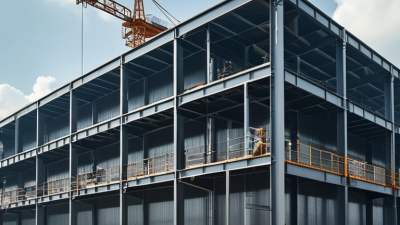
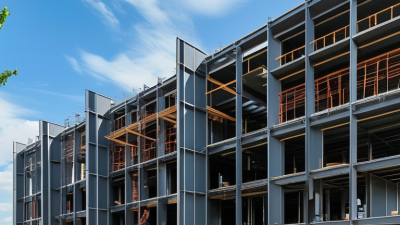
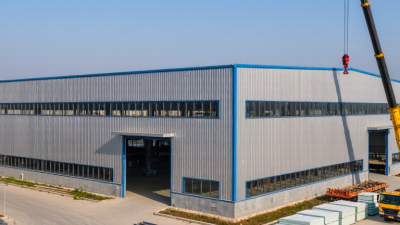
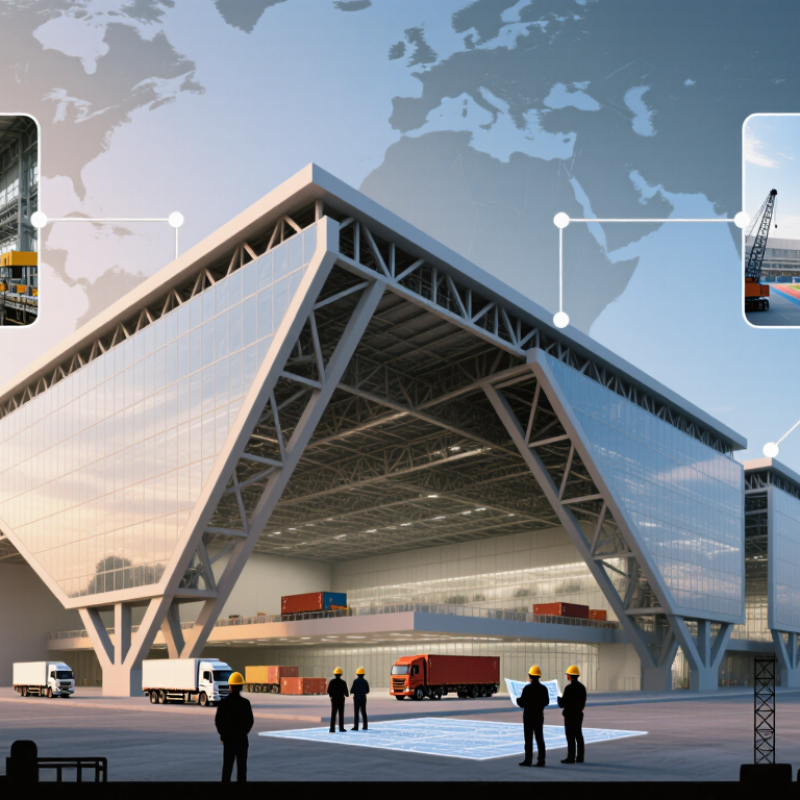
Steel structure buildings are buildings whose primary load-bearing system uses structural steel. Columns, beams, braces, and connections carry gravity and lateral forces. Concrete floors, insulated panels, glazing, and roofing complete the enclosure. Unlike a simple metal shed, this system is engineered as a coordinated frame. Engineers calculate wind, snow, seismic activity, fire exposure, and building use before fabrication begins. In global projects, local codes remain essential.
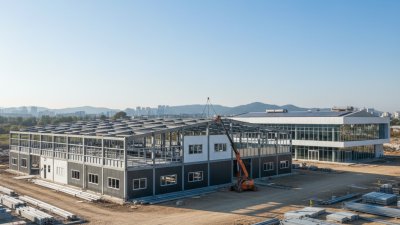
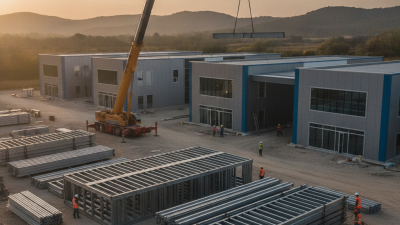
Steel members are usually cut, drilled, and welded or bolted in a controlled factory environment. This improves dimensional consistency and reduces on-site waste. On a project site, a crane places numbered members onto prepared foundations. Crews tighten high-strength bolts, check plumbness, and inspect connection details. I have seen small alignment errors delay cladding installation, even when the main frame looked complete. Precision matters.
The material also offers long spans, lighter foundations, and future adaptability. A warehouse may gain clear storage space, while a school can receive larger classrooms. Recycled steel content can support resource efficiency, but sustainability claims need project-specific evidence. Steel is not automatically the best answer. Poor corrosion protection, weak fire planning, or rushed inspections can create serious costs. Good design leaves room for maintenance, changing loads, and honest review.
How Steel Structures Support Global Construction Needs
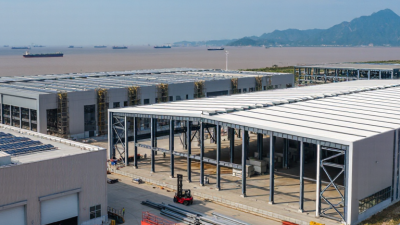
Global construction rarely follows one template. Steel structures adapt to different sites, climates, and construction schedules. Their beams and columns can be fabricated accurately before reaching the project location. This reduces on-site cutting, waste, and delays caused by limited local equipment. A warehouse in a humid coastal region may need protective coatings, while a high-altitude facility may require different transport planning.
Steel also supports predictable quality control. Engineers can inspect welds, bolt connections, material certificates, and dimensional tolerances before assembly. In regions affected by earthquakes, strong winds, or heavy snow, structural calculations can address specific design loads. Modular components may shorten installation time and reduce dependence on a large temporary workforce. That matters when skilled labor is difficult to secure.
Still, steel is not a universal answer. That assumption needs testing. Long-distance shipping can increase cost and emissions, especially for oversized members. Poor corrosion protection can create expensive maintenance problems. Local fire rules, foundation conditions, and import requirements must be checked early. Project teams should compare lifecycle performance, not only the initial quotation. They also need clear inspection records and qualified site supervision. A practical design may use steel selectively, rather than forcing every building element into one material.
Key Advantages of Steel Buildings Across Different Regions
Why Choose Steel Structure Buildings for Global Projects?
Steel buildings perform differently across regions, but their core advantage is predictable engineering. The World Steel Association reported about 1.89 billion tonnes of crude steel production in 2023, showing the material’s broad industrial availability. This supply base can support projects in remote or fast-growing markets. Factory-made columns and beams also reduce on-site cutting, helping teams work during short construction seasons.
In earthquake-prone areas, ductile steel frames can absorb and redistribute lateral forces when properly designed. In coastal zones, protective coatings and drainage details help resist salt exposure. High-strength connections can also support wide, open interiors in warehouses, airports, and agricultural facilities. In cold regions, lighter prefabricated systems may reduce foundation loads and installation time. In hot climates, however, steel transfers heat quickly. Insulation, ventilation, and thermal breaks are essential, not optional.
Tips: Match the frame to local wind, snow, seismic, fire, and corrosion conditions. Ask a licensed engineer to verify regional codes and foundation assumptions. Small errors become expensive later.
Steel is not automatically sustainable. The International Energy Agency estimates that iron and steel production creates roughly 7–9% of global energy-related carbon emissions. Yet steel components can be reused, and the World Steel Association notes that steel is widely recyclable. Project teams should compare recycled content, transport distance, coating life, and future adaptability. Sometimes concrete performs better for thermal mass. That uncomfortable trade-off deserves honest calculation.
Why Choose Steel Structure Buildings for Global Projects?
Regional crude steel production indicates the depth of local supply networks that can support steel construction projects.
Asia and Oceania account for the largest share of global crude steel production, while Europe, North America, the CIS, the Middle East, South America, and Africa also maintain established steel-producing capacity. Broad regional supply supports steel buildings through easier material sourcing, prefabrication, standardized quality control, and faster project execution across different markets.
Source: World Steel Association, 2023 crude steel production by region. Values are shown in million tonnes.
Design, Manufacturing, and Installation Considerations
Why Choose Steel Structure Buildings for Global Projects?
Design, Manufacturing, and Installation Considerations
Steel structures suit global projects because their components can be engineered, measured, and repeated with high precision. A clear grid supports warehouses, industrial halls, and temporary facilities. Designers must still check wind, seismic forces, snow, corrosion, fire, and local construction codes. These conditions vary sharply between coastal Africa, northern Europe, and Southeast Asia.
Manufacturing quality begins with traceable steel certificates, calibrated cutting equipment, and controlled welding procedures. The World Steel Association reported 1,888.2 million tonnes of crude steel production in 2023, showing the material’s extensive industrial supply base. Yet availability does not guarantee quality. Designers should confirm mill capacity, inspection plans, connection details, and replacement-part access before approving fabrication. Small errors in bolt holes can create major delays on site.
Installation planning deserves equal attention. Components should arrive in lifting sequence, with protected surfaces and clearly marked connections. A realistic plan includes cranes, temporary bracing, road limits, weather interruptions, and worker training. Steel is not automatically sustainable. The 2024 Global Status Report for Buildings and Construction states that buildings and construction consumed about 32% of global energy and produced 34% of energy-related emissions in 2022. Engineers should therefore compare recycled content, transport distance, coating life, and future reuse. Cost estimates often ignore these factors. That assumption needs correction.
Factors for Selecting Steel Structures for International Projects
Why Choose Steel Structure Buildings for Global Projects?
Selecting steel for an international project requires more than comparing material prices. Engineers should examine local wind, seismic activity, temperature changes, and soil conditions. Steel offers high strength with relatively low structural weight, reducing foundation loads and transportation demands. Its factory-based fabrication can also improve dimensional accuracy and shorten site work. Yet these benefits depend on skilled detailing and disciplined quality control.
Supply continuity is another major factor. The World Steel Association reported approximately 1.89 billion tonnes of crude steel production in 2023. This scale supports broad sourcing, but availability still differs between regions. Project teams must check plate grades, section sizes, welding standards, customs procedures, and delivery routes. A low-cost source may create expensive delays. That mistake happens.
Environmental performance also needs careful review. The 2023 Global Status Report for Buildings and Construction, published by UNEP and GlobalABC, stated that buildings and construction consumed about 34% of global energy and produced roughly 37% of energy-related emissions in 2022. Designers should therefore compare embodied carbon, service life, maintenance, and future reuse. Steel can support disassembly and recycling, but recycling outcomes depend on collection systems and regional infrastructure. Corrosion protection is equally important in coastal or humid climates. Local inspectors, code requirements, and worker training should influence the choice from the earliest design meeting. A practical decision is not always the most obvious one.