How to Choose the Right Structural Metal Beams for Your Project?
Choosing the right structural metal beams is crucial for any construction project. The demand for structural beams in the construction industry has grown significantly, with a projected market value of over $5 billion by 2025, according to recent industry reports. Structural metal beams serve as the backbone of buildings, bridges, and various infrastructures. Selecting the appropriate type can greatly impact the integrity and longevity of a structure.
Understanding the specifications and load-bearing capacities of different metal beams is essential. Not all beams are created equal; each type has unique properties suitable for specific applications. The American Institute of Steel Construction emphasizes that using the wrong type can lead to costly repairs or even catastrophic failures. Therefore, evaluating the environmental conditions, load requirements, and intended use of structural metal beams is a vital part of the design process.
While there are guidelines to follow, practical experience plays an equally important role. It's not uncommon for professionals to discover that theoretical knowledge does not always align with real-world scenarios. Mistakes may occur when one overlooks practical aspects, such as local regulations or installation techniques. Therefore, consulting with experienced engineers and suppliers can provide valuable insights that enhance project success.
Understanding Different Types of Structural Metal Beams: An Overview
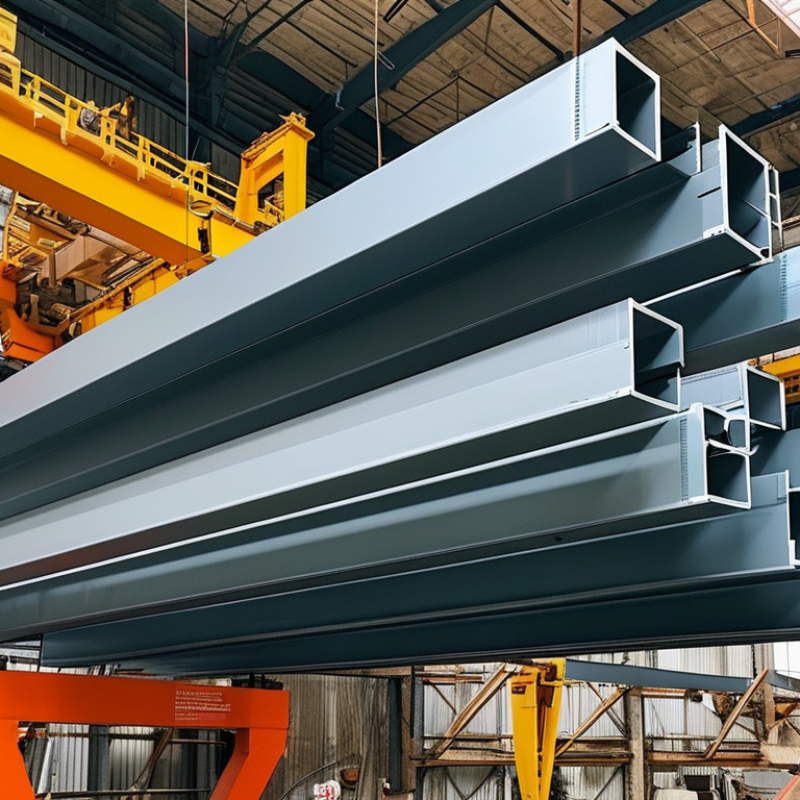
When selecting structural metal beams, it's essential to understand the various types available. Common classifications include I-beams, H-beams, and C-channels. Each design serves different functions and applications. I-beams are ideal for vertical support and are frequently used in buildings due to their high resistance to bending. H-beams, while offering the same load-bearing strength, have broader flanges. This design improves stability in challenging environments.
Recent industry reports indicate that the global steel beam market is expected to reach $100 billion by 2025, highlighting its significance. For smaller projects, C-channels offer simplicity and cost-effectiveness. They are lightweight yet strong enough for various framing applications. Choosing the right beam type impacts the overall integrity of a structure.
Considerations like load-bearing requirements and architectural design are crucial. However, miscalculations can lead to structural failures. It's crucial to consult structural engineers when making these decisions. They provide insights that go beyond basic specifications. Engaging with experts ensures you select the best option for your specific needs.
Key Factors to Consider When Selecting Metal Beams for Construction Projects
When selecting metal beams for construction, several factors significantly influence your choice. The type of metal used is crucial. Steel, for example, is widely favored for its high strength-to-weight ratio. According to the American Institute of Steel Construction, steel can support heavy loads while remaining lightweight, which is vital in structural design. Beyond material, the beam shape affects performance; I-beams are ideal for greater stability, while C-channels offer versatility.
Load requirements also play a critical role. Determine both the live load and dead load your structure will support. A structural engineer's insights can ensure safety and compliance with local codes. Data from the American Concrete Institute shows that improper load calculations can lead to structural failures. This emphasizes the importance of precision in planning.
Finally, environmental conditions should not be overlooked. Areas with high moisture or corrosive environments require specific coatings or materials. Many engineers reflect on past projects where neglecting these factors led to costly repairs. Choosing the correct metal beam is not just about strength, but about long-term durability and performance in real-world scenarios.
Metal Beams Selection Factors
Analyzing Load-Bearing Capacities of Various Metal Beam Materials
When selecting structural metal beams, understanding their load-bearing capacities is crucial. Various materials such as steel, aluminum, and composites offer different strengths. Steel beams, for instance, can support considerable weight, often exceeding 50,000 psi in yield strength. Aluminum beams are lighter but can manage only about 20,000 psi. Each material has its place depending on the project's requirements.
Tips: Always calculate the expected load. Consider not just the static loads, but also dynamic impacts. This ensures the structure's safety.
It's essential to evaluate the project's environmental conditions. Factors like corrosion resistance and temperature fluctuations can influence beam performance. Stainless steel is often chosen for its durability in harsh environments, while coated carbon steel is a cost-effective alternative.
Tips: Consult with structural engineers about load specifications. A wrong choice may lead to unsafe structures and increased costs. Be cautious about overestimating capabilities. Proper assessment prevents future issues.
How to Choose the Right Structural Metal Beams for Your Project? - Analyzing Load-Bearing Capacities of Various Metal Beam Materials
| Material |
Yield Strength (MPa) |
Weight (kg/m) |
Load-Bearing Capacity (kN) |
Typical Applications |
| Mild Steel |
250 |
15.3 |
30 |
Building frames, bridges |
| Structural Aluminum |
200 |
7.8 |
20 |
Aerospace, lifts |
| Stainless Steel |
215 |
11.2 |
25 |
Marine structures, kitchens |
| High-Strength Steel |
350 |
13.4 |
45 |
Heavy machinery, cranes |
| Reinforced Steel |
400 |
14.0 |
55 |
Bridges, parking structures |
Cost Implications of Different Metal Beam Types in Construction Projects
When selecting metal beams for construction,
cost is a critical factor.
Different types of metal beams, such as steel, aluminum,
and composite options, vary significantly in price.
Steel beams are generally more affordable and widely available. However, their weight
can increase transportation costs.
Aluminum beams are lighter but often come with a higher price tag. Their corrosion resistance
can save on maintenance costs over time.
The choice of beam also impacts labor costs.
Heavier beams require more labor for installation. This can lead to additional expenses.
On the other hand, lighter beams can reduce labor time and costs. Yet, their purchase price
may offset these savings, making it essential to analyze the overall budget.
Don’t overlook the long-term implications
of your choice. While a cheaper beam might seem appealing, consider durability and performance.
A quality beam can outlast cheaper alternatives. Reflect on your project's requirements and future
maintenance when making the decision. It’s crucial to find a balance between initial costs
and long-term value.
Sustainability and Environmental Impact of Structural Metal Beam Choices
When selecting structural metal beams, sustainability is a crucial consideration.
The type of metal used can significantly impact the environment.
Steel, for instance, is highly recyclable, reducing waste.
However, the production process is energy-intensive.
Aluminum is lighter and offers good recyclability too. Choosing the right metal requires an understanding of the environmental footprint of each option.
Another aspect is the source of materials.
Locally sourced metals can minimize transportation emissions.
Additionally, opting for beams that are produced using renewable energy can further reduce carbon footprints. Not all projects prioritize sustainability. Some may focus solely on cost or availability.
It’s essential to balance these factors.
Misjudging the impact of material choices can lead to long-term ecological consequences.
Evaluating sustainability should be part of every decision-making process to ensure responsible construction practices.