Top 10 Structural Metal Beams You Need for Your Next Project?
When embarking on a construction project, selecting the right materials is crucial. Among these, Structural Metal Beams stand out for their strength and durability. According to recent industry reports, the global market for structural metal beams is expected to witness significant growth, potentially reaching USD 27 billion by 2025. This growth reflects the increasing demand for robust construction materials across various sectors, including industrial, commercial, and residential.
Renowned industry expert, Dr. Emily Warren, states, "The choice of structural materials can make or break a project." Her insights emphasize the importance of selecting high-quality structural metal beams. They not only ensure safety but also contribute to the overall integrity of a structure. Many builders often overlook the impact that poor material choices can have on longevity and maintenance costs.
Understanding the various types of structural metal beams available is essential for a successful implementation. Each beam type has unique properties and applications, making it challenging for project managers to make informed decisions. As you navigate your next project, consider the specific needs of your build and the long-term implications of your choices.
Top 10 Structural Metal Beams: Overview and Importance in Construction
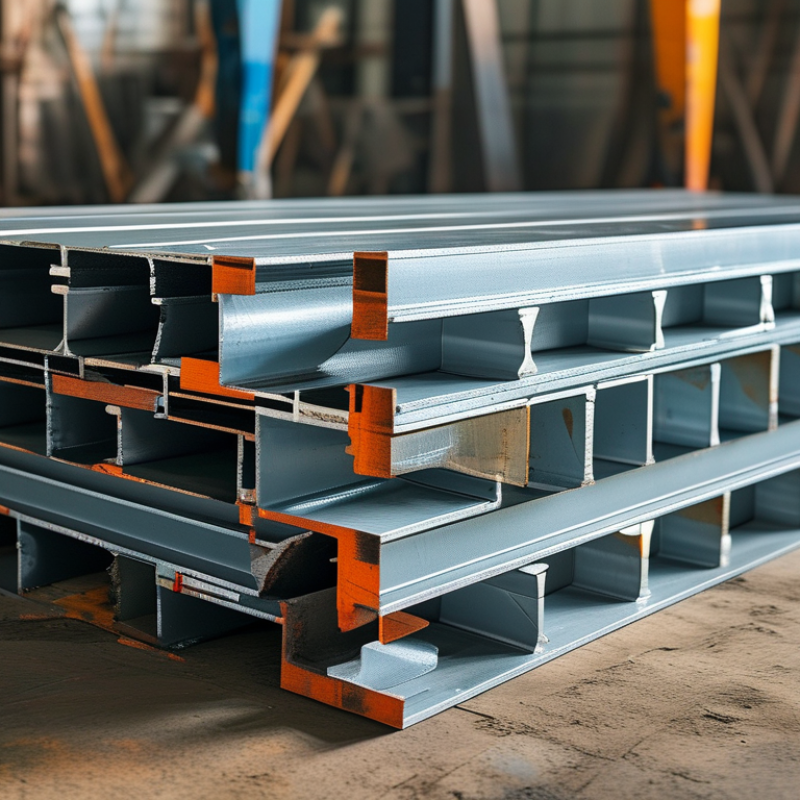
Structural metal beams play a crucial role in construction projects. These beams provide essential support and stability to buildings. According to industry data, structural steel can support heavier loads than other materials. This makes it a preferred choice for high-rise buildings and bridges.
Different types of structural metal beams are available. I-beams, C-channels, and square tubes are commonly used. Their designs allow for efficient weight distribution, which is vital in structural integrity. In a 2021 report, 72% of construction managers indicated that using steel beams improved the durability of their projects.
However, sourcing quality metal beams can be challenging. Some projects face delays due to material shortages. This situation emphasizes the need for better supply chain management. Engineers should also consider the environmental impact of steel production. The carbon footprint is significant. Awareness of sustainable practices must be increased in the industry. Striking a balance between strength and sustainability remains a complex challenge.
Common Materials Used for Structural Metal Beams: Steel, Aluminum, and More
When considering structural metal beams, the choice of material plays a crucial role. Steel is often the go-to option due to its high tensile strength. Reports indicate that steel has a yield strength of around 250 MPa to 460 MPa. This makes it ideal for demanding applications. Additionally, steel beams can be easily welded and fabricated to meet specific project requirements. However, their weight can be a disadvantage in certain projects where lighter materials may be more suitable.
Aluminum is another popular choice for structural beams. Its lightweight nature, typically 30% lighter than steel, allows for easier handling and installation. According to industry data, aluminum can withstand approximately 120 MPa to 300 MPa. This range may not match steel in all aspects, but it offers excellent resistance to corrosion. In environments where moisture is a concern, aluminum beams can significantly reduce maintenance costs.
There are other materials, like composite fibers, gaining traction due to benefits like low weight and high durability. Yet, structural integrity and cost-effectiveness must always be balanced, as composites can often be more expensive. Engineers face challenging decisions when selecting materials. Each has its pros and cons that can impact project outcomes. Understanding these nuances is critical for optimizing performance in various applications.
Top 10 Structural Metal Beams You Need for Your Next Project
This bar chart illustrates the weight of various common materials used for structural metal beams. Steel is the heaviest, followed by Iron and Copper, while Lead has the least weight per foot among the materials listed.
Key Specifications and Standards for Selecting Structural Metal Beams
When selecting structural metal beams for your next project, understanding key specifications is crucial. Consider the material grade, which often determines strength and durability. Steel is a popular choice, but aluminum and other alloys have their benefits. The thickness of the beams should match load requirements. A beam that is too thin can lead to structural failures, while one that is excessively thick may add unnecessary weight.
Another essential aspect is the beam's shape. Common profiles include I-beams, C-channels, and square tubes. Each type serves a specific purpose depending on the load distribution. For instance, I-beams excel in handling bending forces. Load-bearing capacity must also align with local building codes. Failure to comply can result in costly redesigns or even project delays.
It is vital to review industry standards when making decisions. Organizations such as the American Institute of Steel Construction publish guidelines that are beneficial. Looking into these documents can provide insights into material standards and testing requirements. Moreover, relying solely on calculations might not be sufficient; engaging a structural engineer can help verify your choices. Each project is unique, and understanding these nuances is key to successful construction.
Top 10 Structural Metal Beams You Need for Your Next Project
| Beam Type |
Dimensions (inches) |
Weight (lbs/ft) |
Yield Strength (ksi) |
Material |
Applications |
| I-Beam |
8 x 15 |
15.0 |
50 |
Steel |
Building frames, bridges |
| Hollow Section |
5 x 5 x 1/4 |
15.4 |
36 |
Steel |
Structural components, frames |
| Channel Beam |
6 x 3 x 1/4 |
10.6 |
50 |
Steel |
Bracing, support structures |
| T-Beam |
12 x 18 |
27.0 |
44 |
Concrete |
Floor systems, bridges |
| L-Beam |
4 x 4 x 1/4 |
8.0 |
36 |
Steel |
Support angles, frames |
| Web Truss Beam |
12 x 8 |
20.0 |
50 |
Steel |
Long-span roofs, bridges |
| Flat Bar Beam |
2 x 0.25 |
1.0 |
36 |
Steel |
Support structures, brackets |
| Box Beam |
6 x 6 x 0.5 |
24.0 |
50 |
Steel |
Support columns, heavy loads |
| Composite Beam |
14 x 24 |
40.0 |
50 |
Steel & Concrete |
Multi-story buildings, bridges |
Innovative Applications of Structural Metal Beams in Modern Architecture
Structural metal beams play a pivotal role in modern architecture. They provide the essential support needed for innovative designs. Architects are reimagining how these beams can elevate a structure's aesthetic and function.
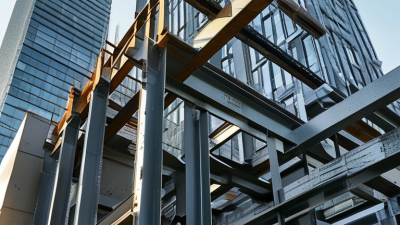
Think about a building's façade. Sleek, exposed metal beams create a contemporary look. They blend seamlessly with glass and concrete, highlighting a structure's elegance. However, balancing aesthetics and strength can be challenging. The right choice of beam will depend on the specific design needs.
Another interesting application is the use of metal beams in sustainable architecture. Recycled steel beams are becoming popular. They reduce waste and minimize environmental impact. But, some may question their load-bearing capacity compared to new materials. It's crucial to ensure that these beams meet safety standards. The evolution of metal beams in architecture is ongoing. Each project offers an opportunity to explore and innovate.
Cost Analysis and Budgeting for Structural Metal Beams in Projects
When budgeting for structural metal beams, it's crucial to understand the costs involved. According to a recent industry report, the average price per ton of steel beams has varied significantly in the past year, ranging from $800 to $1,200. This fluctuation affects project budgets directly. Essential factors include the type of steel, market demand, and transportation costs.
Additionally, labor costs for installation are another important consideration. Skilled labor can account for up to 30% of the total project expenditure. For example, installing a steel beam can take various lengths of time depending on the beam’s size and complexity. labor inefficiencies may arise if pre-planning is inadequate.
Overestimating or underestimating beam requirements can lead to serious financial repercussions. Recent construction studies indicate that miscalculations in material quantities lead to cost overruns of up to 20%. Keeping a detailed inventory and using precise measurements is essential. In the end, careful budgeting is necessary for success in any structural project.