Top 10 Structural Metal Beams in China for Global Buyers?
In the competitive landscape of construction materials, "Structural Metal Beams" hold a vital position. According to Dr. Wei Liu, a leading expert in structural engineering, “The strength and versatility of metal beams make them indispensable in modern construction.” This highlights their growing importance, especially for global buyers.
China, as a manufacturing hub, offers a variety of these beams that cater to diverse needs. Selecting the right products can be challenging. Buyers must navigate options like steel I-beams, C-channels, and H-beams, each serving unique structural purposes. The quality and specifications vary significantly across manufacturers.
An ideal choice demands thorough understanding. Buyers should assess material grades, weight capacities, and fabrication methods. It's crucial to consider local regulations and project requirements as well. Making informed decisions can significantly impact project outcomes. However, many buyers overlook the complexity of sourcing. This poses challenges and opportunities in a landscape where quality and reliability are paramount.
Overview of Structural Metal Beams in China's Construction Industry
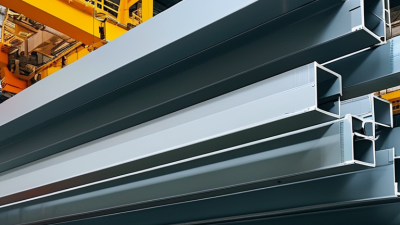
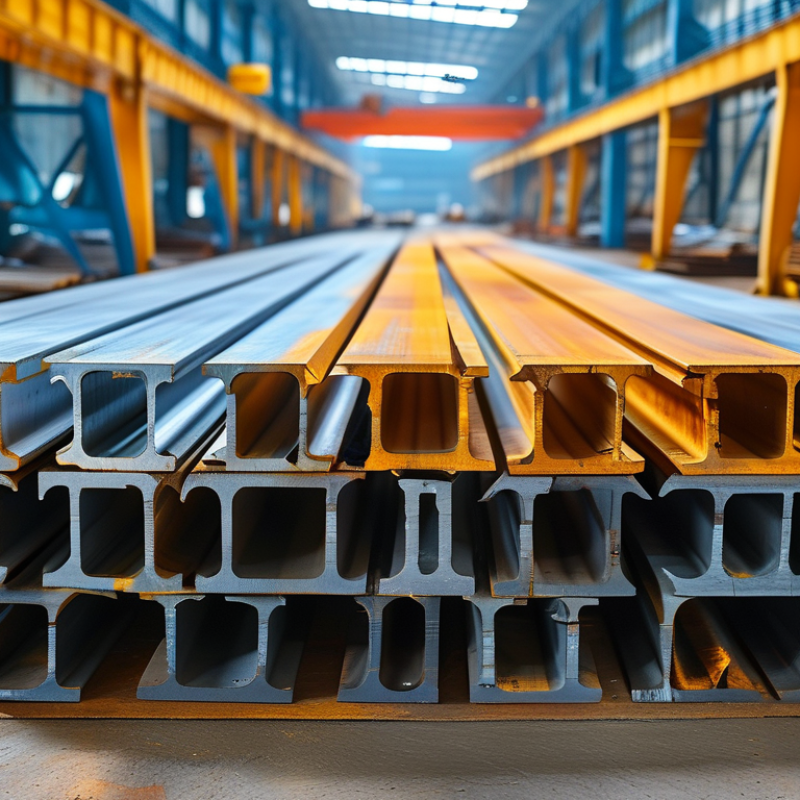
China's construction industry has significantly expanded over the past few decades. Structural metal beams play a crucial role in this growth. These beams are essential in constructing buildings, bridges, and various infrastructures. They provide the necessary strength and flexibility for modern designs. The variety includes I-beams, H-beams, and channel beams, each serving specific purposes.
Recent trends show a push towards high-strength steel in beam production. This material offers enhanced durability and supports more significant loads. Furthermore, innovations in manufacturing improve the precision of metal beams. This leads to better quality control. However, the industry faces challenges, such as fluctuating raw material prices. This volatility can impact project budgets and timelines.
Moreover, the demand for sustainable practices is growing. Many companies are exploring recycled materials for beam production. This shift reflects a broader initiative towards environmentally friendly construction. However, integrating sustainability is not always straightforward. Balancing cost and eco-friendliness remains a critical hurdle. Continued research is needed to find solutions that benefit both the industry and the environment.
Key Types of Structural Metal Beams: Steel, Aluminum, and Composite Variants
Structural metal beams are essential in construction and engineering. In China, three primary types dominate the market: steel, aluminum, and composite beams. Steel beams offer durability and strength. They are widely used in heavy construction projects. According to industry reports, the demand for steel beams is projected to grow by 4.5% annually.
Aluminum beams, known for their lightweight properties, are gaining traction. They provide excellent corrosion resistance, making them ideal for marine applications. The aluminum beam market is anticipated to increase by 3% every year. Composite beams, combining materials like steel and concrete, offer a balance between strength and weight, enhancing structural performance.
Tips: Choose the right material based on your project's needs. Consider factors like load requirements and environmental conditions. Steel may be ideal for high-stress areas, while aluminum suits lightweight structures. Reflect on the construction process; not all projects need the toughest beams.
In recent years, innovations in composite materials have emerged. These advancements ensure better performance and sustainability. However, the initial costs may be higher, and not all engineers might be familiar with them. This requires careful consideration during project planning. Always consult with materials experts before making a final decision.
Market Trends: Growth Statistics and Demand for Metal Beams in China
The demand for metal beams in China continues to rise, driven by rapid urbanization and infrastructure projects. Major cities are expanding, and construction activities are booming. As a result, the need for strong, reliable structural materials has never been greater. Builders seek high-quality metal beams for their durability and efficiency.
Growth statistics suggest a significant market expansion. In recent years, the structural steel market in China increased by over 10% annually. This trend reflects the increasing investment in commercial and residential properties. However, challenges exist. Supply chain issues and fluctuating raw material prices can impact production. Companies must adapt to these uncertainties to remain competitive.
Further, environmental regulations are changing how metal beams are produced. Sustainable practices are becoming essential for industry leaders. Buyers must consider these factors when sourcing products. The landscape of the metal beam market in China is shifting, and awareness is crucial for making informed decisions.
Leading Manufacturers of Structural Metal Beams: Profiles and Market Share
When exploring top manufacturers of structural metal beams in China, key players dominate the market. These companies typically offer a range of products, including I-beams, H-beams, and U-beams, serving various industries. Not all manufacturers maintain consistent quality. Evaluating their certifications and production standards is critical for global buyers.
Understanding market share can guide purchasing decisions. Manufacturers often differ in capabilities. While some excel in large-scale production, others focus on specialty beams for unique projects. Buyers should weigh the production capacity against the specific needs of their endeavors.
Tip: Look for manufacturers with a proven track record. Research industry certifications that reflect quality assurance. Inquire about their past projects to gauge reliability.
Not every manufacturer will meet every buyer's needs. Assess their responsiveness and customer service. Sometimes, minor communication issues arise. A transparent dialogue often resolves concerns. Final decisions must integrate both product quality and service reliability.
International Standards and Certifications for Structural Metal Beams in China
When sourcing structural metal beams in China, understanding international standards and certifications is crucial. Various certifications ensure that these beams meet quality and safety requirements. Commonly recognized certifications include ISO, CE, and ASTM. These indicate that the materials used are reliable. They help prevent issues related to structural integrity.
Tips: Always ask for certification documents. Reliable suppliers will provide these upfront. This ensures transparency.
The quality of structural steel beams can vary. Not all manufacturers maintain the same standards. There are instances where beams fell short of expectations. Such experiences highlight the need for thorough vetting. Engaging trusted sourcing agents can improve outcomes. Look for those with proven track records.
Tips: Visit factories if possible. Seeing operations firsthand can reveal a lot. It helps build trust and ensures quality.
Confirming correct specifications is vital. Buyers should clearly communicate their requirements. Misunderstandings can lead to significant problems. Always double-check measurements and standards before purchase. A small error can have large repercussions in construction projects.